One platform, from bench to bioinformatics.
Real bioinformatics tools on a real genome, running in this tab. Nothing to install, nothing to pay, no account needed.
- Chromosome 3.65 Mb
- pSymA 1.35 Mb
- pSymB 1.68 Mb
One bacterium. Three separate DNA molecules, 6,691,694 bases between them, and the two big plasmids are why it can fertilise a field.
The real tools, compiled to WebAssembly and running on your machine
- samtools
- bcftools
- seqtk
- muscle
- fasttree
- Python
- R
Learn it by running it.
Every lesson is a real terminal on real data. Click the suggested command or type your own, read what the tool prints, and the lesson checks your work before it moves on.
Browse the lessons
Then do the work on the Bench.
Your own pages, with Python, R and the shell side by side and the results kept underneath. This one reads the real annotation of the genome above, 12,812 rows of it, without leaving the browser.
Open the Bench
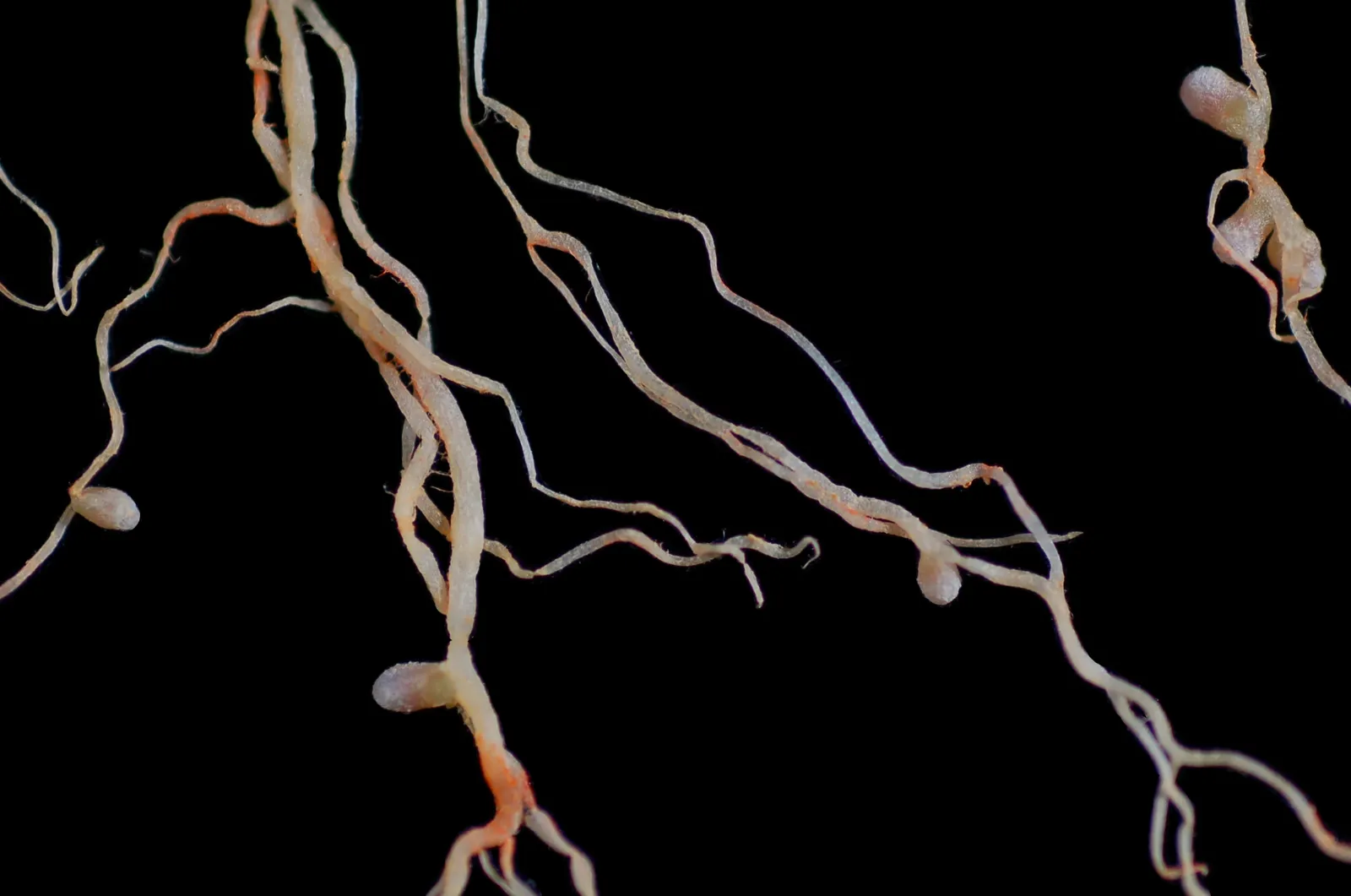
That genome lives on alfalfa roots.
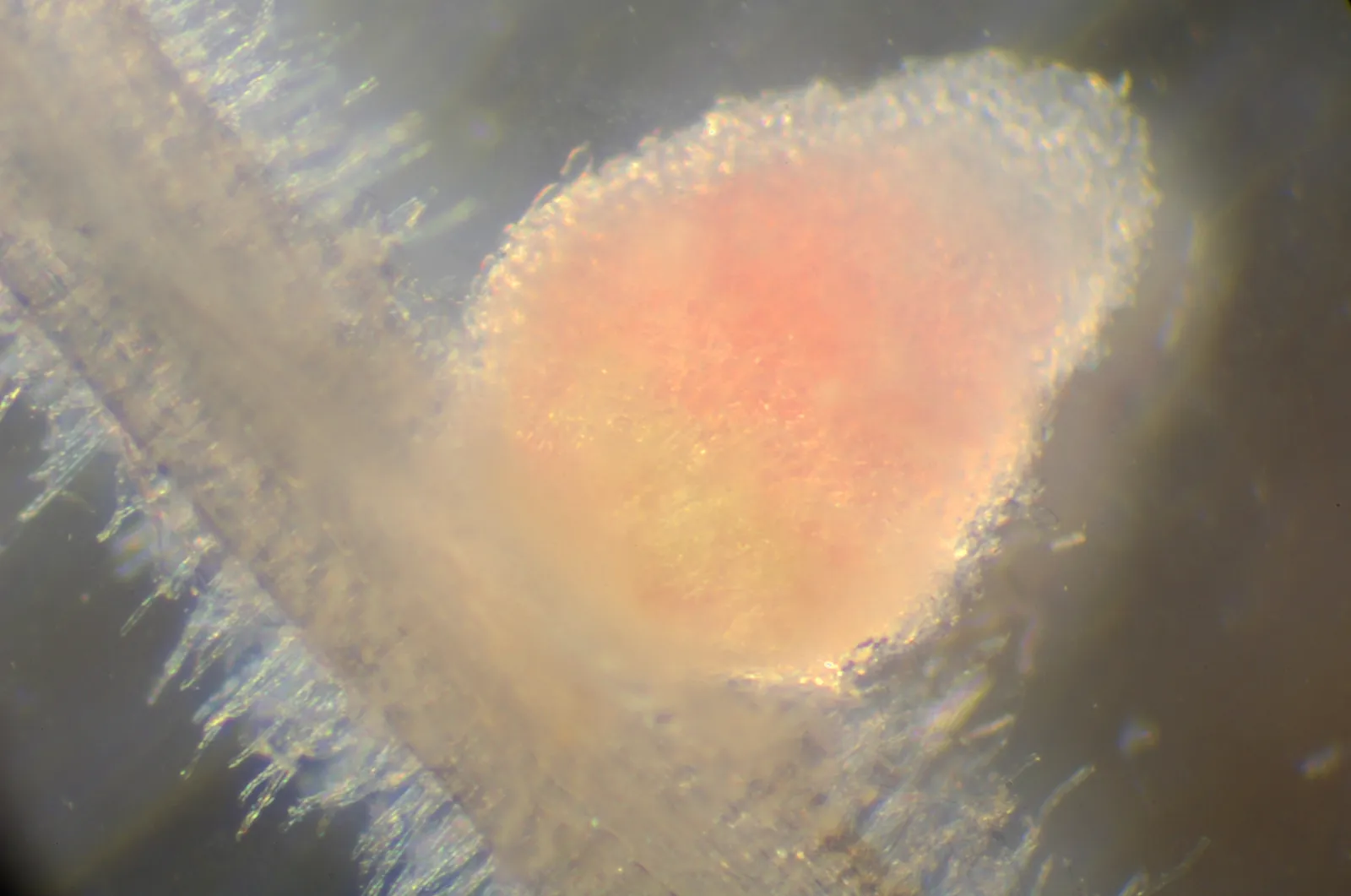
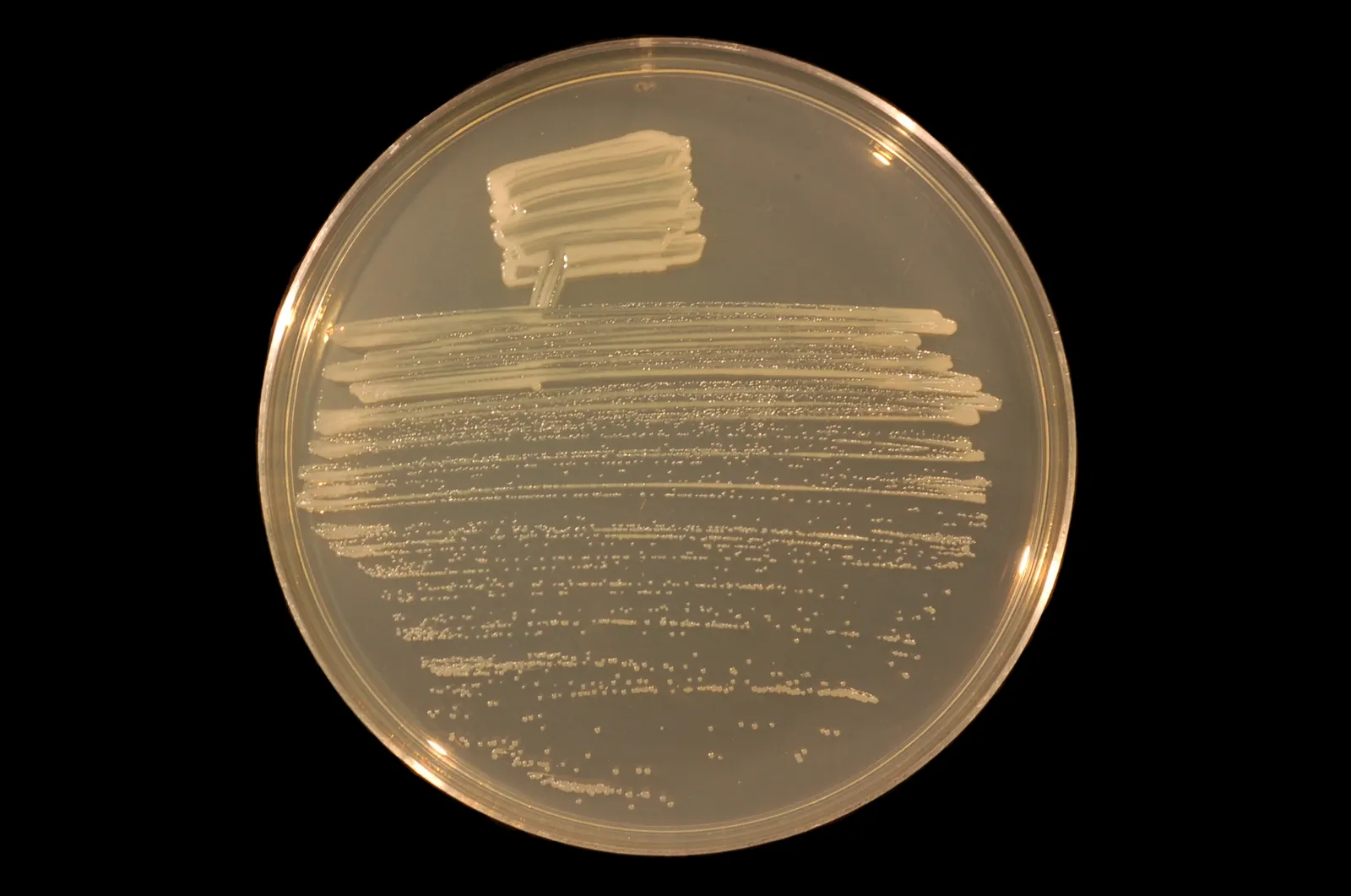
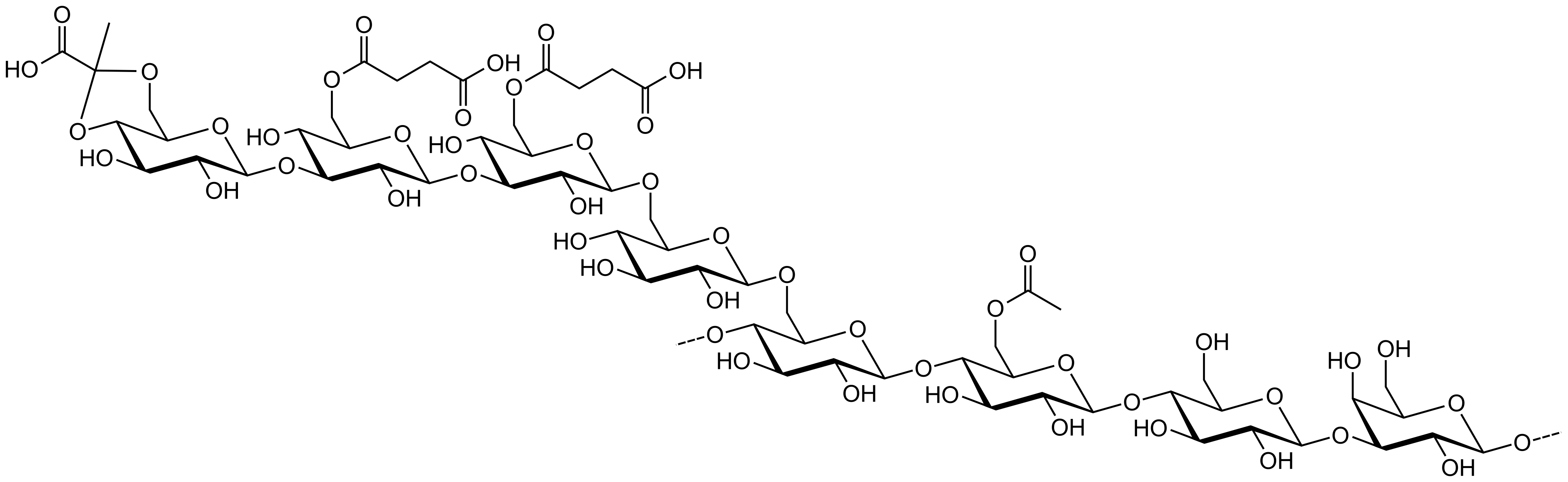
Sinorhizobium meliloti settles inside small nodules on the roots of alfalfa and turns nitrogen from the air into a form the plant can use. Two of its three DNA molecules, the plasmids pSymA and pSymB, carry much of the machinery for that partnership.


Everything here is real.

Real tools
samtools, bcftools and seqtk, compiled to WebAssembly, with Python and R beside them. They run on your machine, in this tab.
Nothing to install
Open a lesson and the terminal, the files and the data are already there. No setup, no server.
Free
Every lesson and every tool. It all runs on your own computer, so it costs us nothing to serve and it costs you nothing to use.
Teaching a course?
Build one in the browser without writing code, and keep it as a file you own.
Your first lesson takes eight minutes.
Read a file and count its lines in a real terminal, and see why that is where the work starts.
Start the first lessonlsList the files in a workspacecatRead a file's contentswc -lCount its lines*Run one command across many files